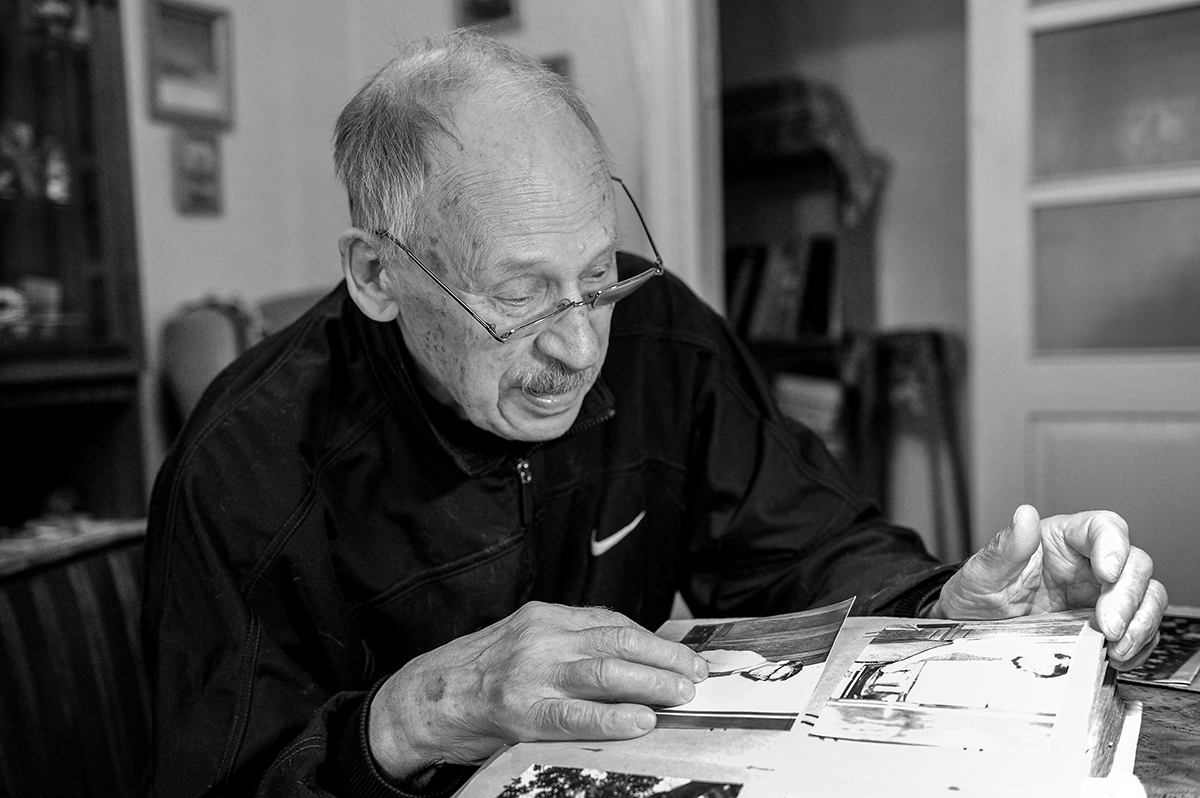
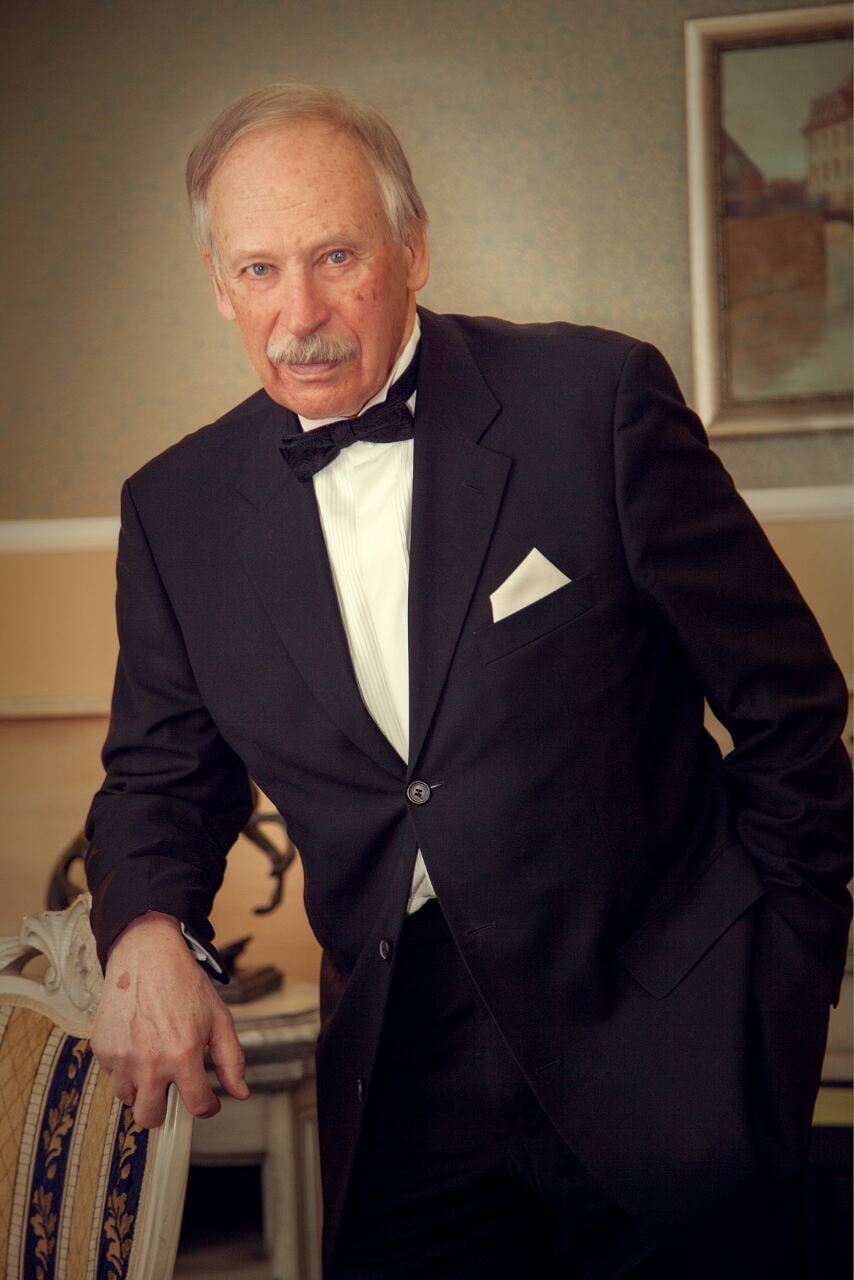
Amicale de Brest-Litowsk

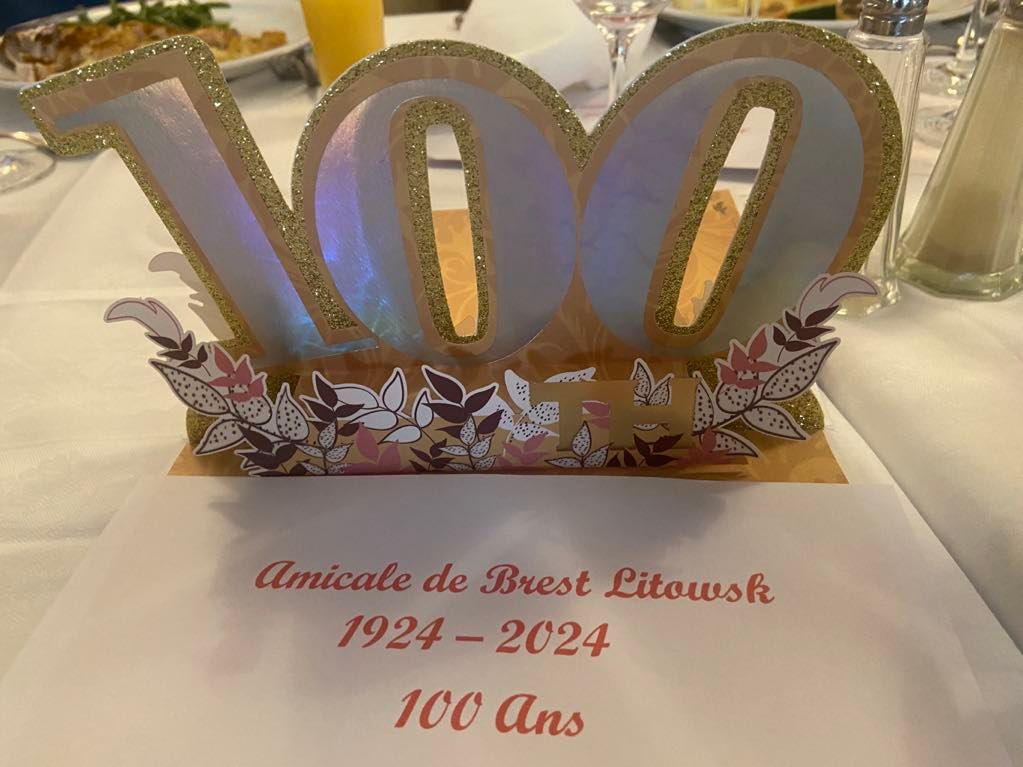
Мы живем в такое время, когда снова рвутся связи. Миллионы людей только за последние несколько лет вынуждены были покинуть места, где они родились и выросли, где остались могилы их предков, и куда они, может быть, никогда не смогут вернуться. Мы теряем близких друзей и даже родственников, потому что перестали находить с ними общий язык. Происходит тотальная переоценка ценностей. Но есть ценности, которые не могут обесценить никакие исторические катаклизмы. Это наша память. На прошлой неделе я имела честь быть приглашенной на празднование 100летнего юбилея французского общества Amicale de Brest-Litovsk.

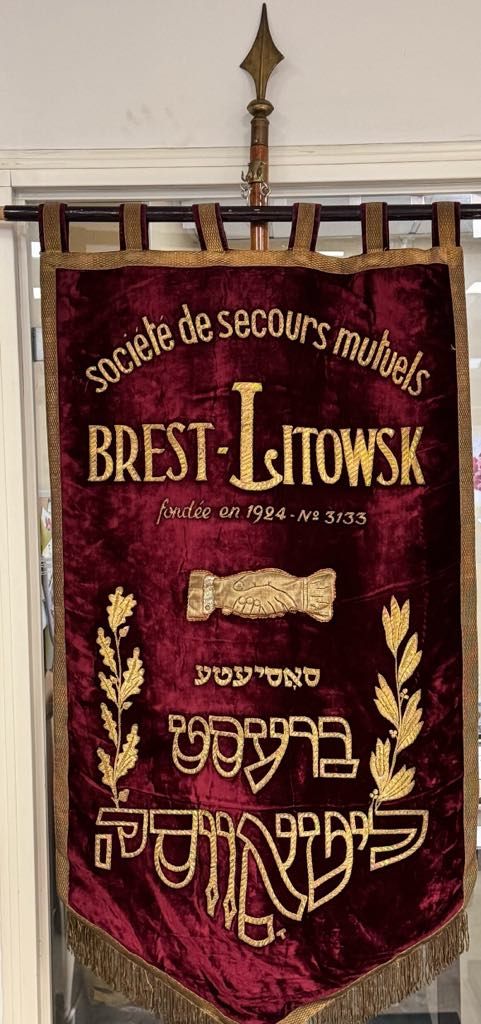
Флаг французского Общества выходцев из Брест-Литовска, который вот уже сто лет украшает все торжественные мероприятия Amicale de Brest-Litowsk.

Деятельность и существование этой организации — это пример того, как через сто лет, можно суметь сохранить то, что создали их деды и прадеды, оказавшись кто по своей воле, а кто в силу драматических, или даже трагических обстоятельств на чужбине. Создавая в 20-е годы прошлого столетия Amicale de Brest-Litovsk, бывшие жители Бреста хотели не только помочь и поддержать тех, кто приехал в незнакомую страну, они хотели сохранить связи с родным городом.

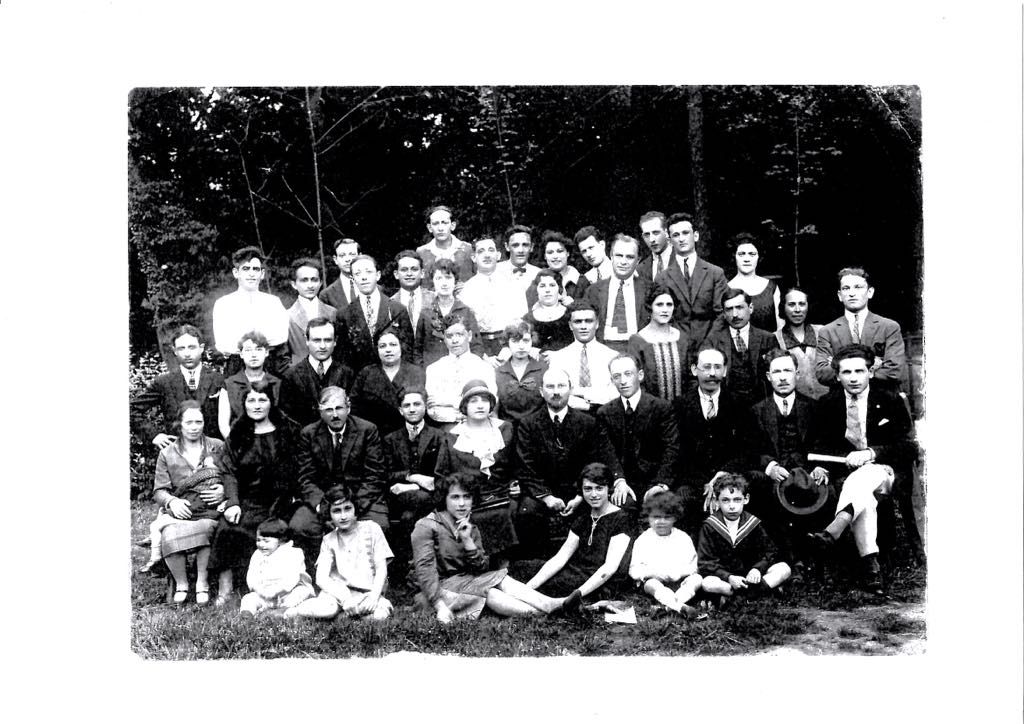
Amicale de Brest-Litowsk 1925 ( Фото из архива Gilbert Lebenberg, нынешнего президента общества)

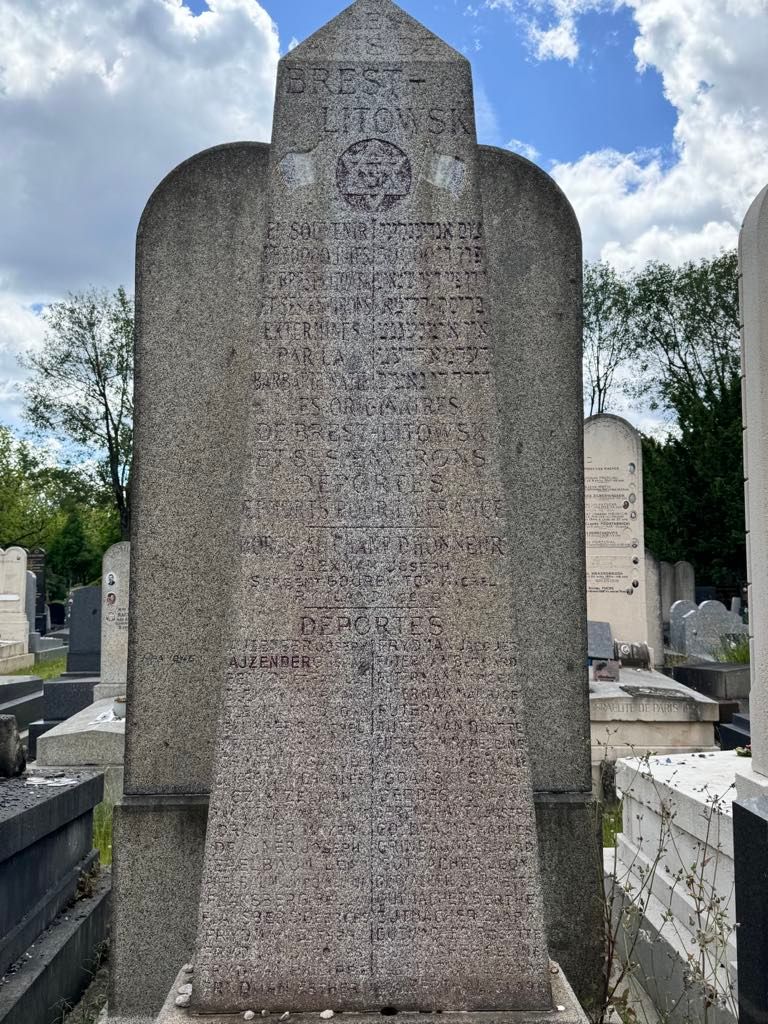
Французские брискеры внесли весомый вклад в оказании финансовой и гуманитарной помощи тем, кто вернулся в разоренный и разрушенный Брест после насильственной эвакуации в период Первой Мировой войны. Во время Второй Мировой войны в период нацистской оккупации Франции многие выходцы из Брест-Литовска принимали активное участие в Сопротивлении. Потомки брискеров не избежали судьбы большинства французских евреев, депортированных и погибших в концентрационных лагерях. В память о брискерах, жертвах Холокоста, силами Amicale de Brest-Litowsk, был поставлен памятник на кладбище Баньё в пригороде Париже.

Париж. Кладбище Баньё. Памятник погибшим во время Второй Мировой войны выходцам из Брест-Литовска.

Во Франции сменилось уже не одно поколение выходцев из Бреста. То, что они на протяжении 100 лет сумели сохранить традиции и память о предках, о малой родине – такое в наше время относится к категории уникальных явлений. На праздновании 100 летнего юбилея Парижского объединения выходцев из Брест-Литовска я воочию убедилась в том, что потомки брискеров гордятся своим происхождением, что они смогли сохранить и передать любовь к корням и к истории своих предков — уроженцев Брест-Литовска.

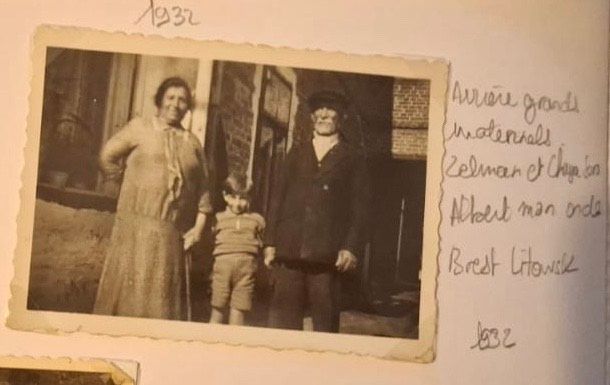
Фото из семейного альбома Evelyne LEMBERSKI 

Они бережно хранят фотографии, письма, воспоминания и традиции. Они знают историю города, названия и расположение улиц, хотя никто из них никогда не был в Бресте. Они знают, как жили, чем занимались их предки. На празднование 100 – летнего юбилея пришли представители всех поколений потомков брискеров. Это знак того, что эстафета памяти будет продолжена. После Второй Мировой войны наш город полностью изменился. Это касается не только архитектуры. Исчезла еврейская община, которая составляла почти половину населения Бреста. А вместе с ней исчез тот колорит, который был неотъемлемой составляющей чертой на протяжении долгого времени и о котором большинство нынешних жителей не имеет ни малейшего представления. На этой встрече в Париже, почти за две тысячи километров от Бреста, я испытала чувство гордости и счастья от того, что я, хоть и никаким образом не являюсь брискером, но тоже родилась в Бресте и тоже очень хочу, чтобы мои дети, внуки не забывали об этом. Ведь Брест этого достоин!

Natalia LEVINE 

“The Brest Ghetto: Memoirs and Documents.”

Летом в Бресте вышла книга Ивана Чайчица «Брестское гетто. Воспоминания и документы». За тридцать лет – это первое серьезное, документально обоснованное издание, которое факто- и фотографически рассказывает нам о трагедии последнего года с небольшим существования и гибели еврейской общины Бреста.  Подготовить к публикации книгу с таким содержанием было невероятно тяжело. Трудно даже представить, каких моральных сил стоило автору изо дня в день на протяжении почти года быть погруженным в историю тысяч убитых, замученных, умерших, а потом и вовсе исчезнувших из 1000-летней памяти города. Нельзя сказать, что история Брестской еврейской общины не интересовала специалистов, краеведов, журналистов. Было опубликовано не мало статей на эту тему, были попытки рассказать о важной роли евреев Бреста, которые на протяжении многих веков составляли половину населения города. А потом, раз, и за один день все исчезли. Представьте, что вот в наше время вдруг исчезает половина жителей. Не просто исчезает, а ее убивают. На глазах у другой половины. Убивают не потому, что они сопротивлялись властям, призывали к борьбе или были вооружены. Их всех, женщин, детей, младенцев, стариков убили только только потому, что они были евреями. В книге нет эмоциональных описаний, разве что в воспоминаниях чудом уцелевших узников гетто.  Но за сухими фактами документов мы не можем не увидеть, не почувствовать тот ужас и катастрофу, которую испытали тысячи невинных жертв. Книга тяжелая. Но ее появление – знаковое событие, хотя многие брестские ученые мужи, так или иначе причастные к изучению этой темы, попросту проигнорировали издание, в отличие от многих солидных университетов, библиотек и музеев, которые посчитали за честь получить книгу Ивана Чайчица и дали высокую оценку объему исследовательской работы и качеству презентации собранного материала. 

История щедра на уроки. Вопрос только в том, насколько хорошо человечество их усваивает. Все последние события говорят о том, что очень плохо. Снова звучат призывы к убийству, к насилию, к террору. Снова гибнут тысячи невинных, потому что кто-то присвоил себе право решать, кому жить, а кого надо стереть с лица земли. В 21-м веке мы овладели высокими технологиями, но потеряли много качеств, данных нам свыше: сострадание, участие, любовь к ближнему, понимание того, что со злом во всех его проявлениях надо бороться, потому что сегодня оно накрыло одних, а завтра может прийти к нам.

15 октября — День памяти уничтожения Брестского гетто. Как всегда, по традиции, у единственного в городе памятника, соберется небольшая группа тех, кто из года в год приходит туда почтить память тысяч невинно убиенных и сказать заветную фразу : НИКОГДА БОЛЬШЕ!   Да услышит Бог эти слова!
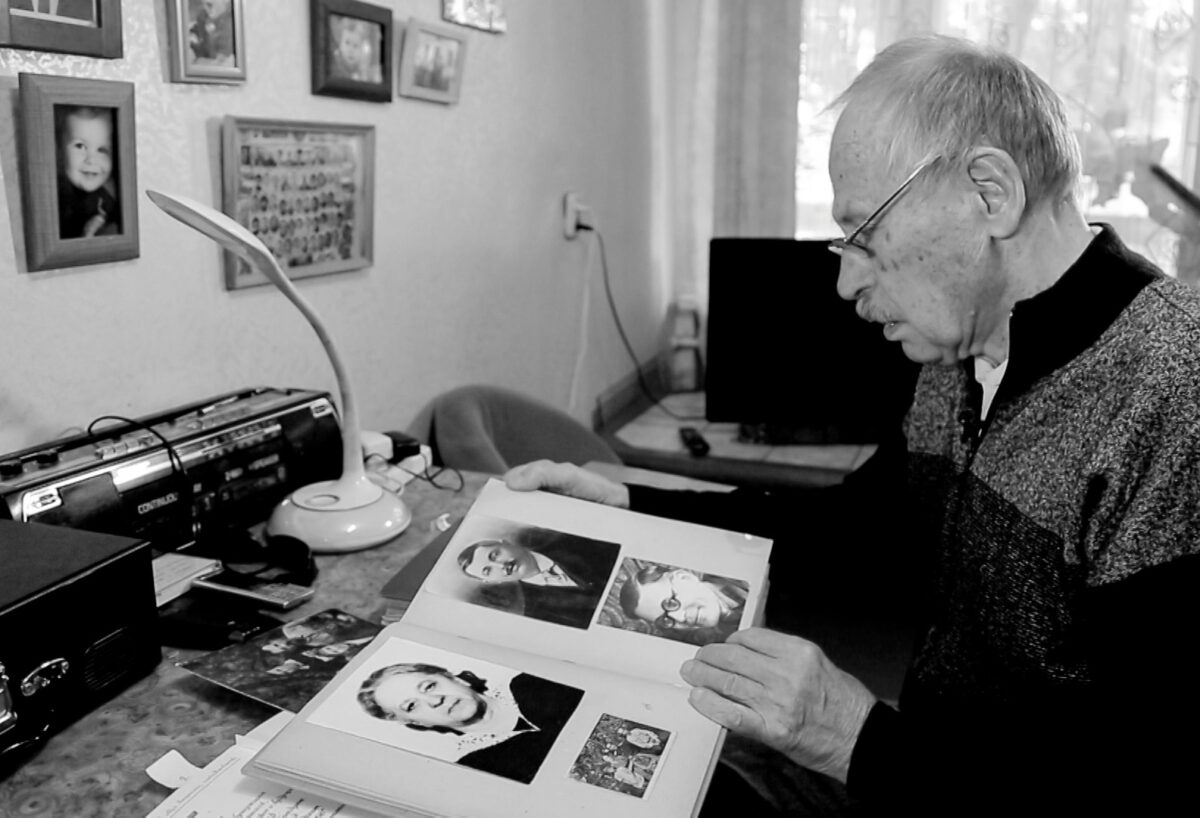
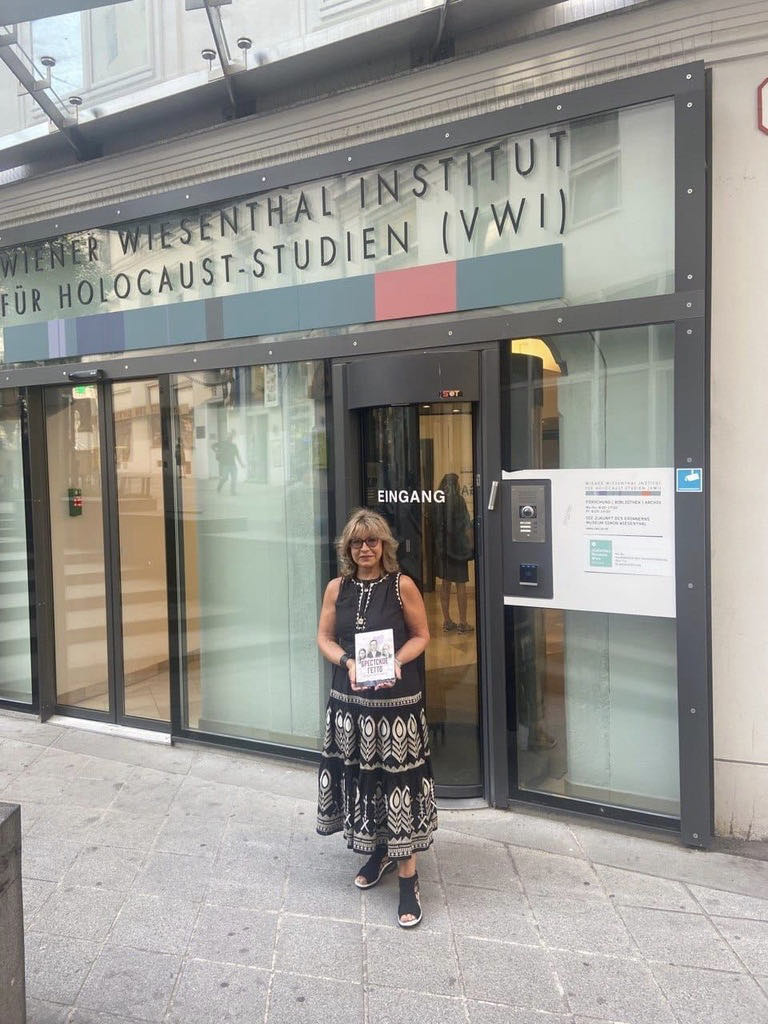
Книга “Брестское гетто. Воспоминания и документы” (автор Иван Чайчиц) заняла достойное место в библиотеке Венского института Визенталя. 12 сентября 2023 г., Вена, Австрия


 Венский институт Визенталя был создан в 2009 году на базе огромной поисковой работы и архива Симона Визенталя и является научно-исследовательским центром, деятельность которого посвящена исследованиям, документированию и изучению всех аспектов антисемитизма, расизма и Холокоста, включая причины возникновения и последствия.

Так как исследования и проекты в VWI носят международный и междисциплинарный характер, книга о Брестском гетто поможет многим расширить и углубить тему изучения Холокоста на оккупированных территориях бывшего СССР.


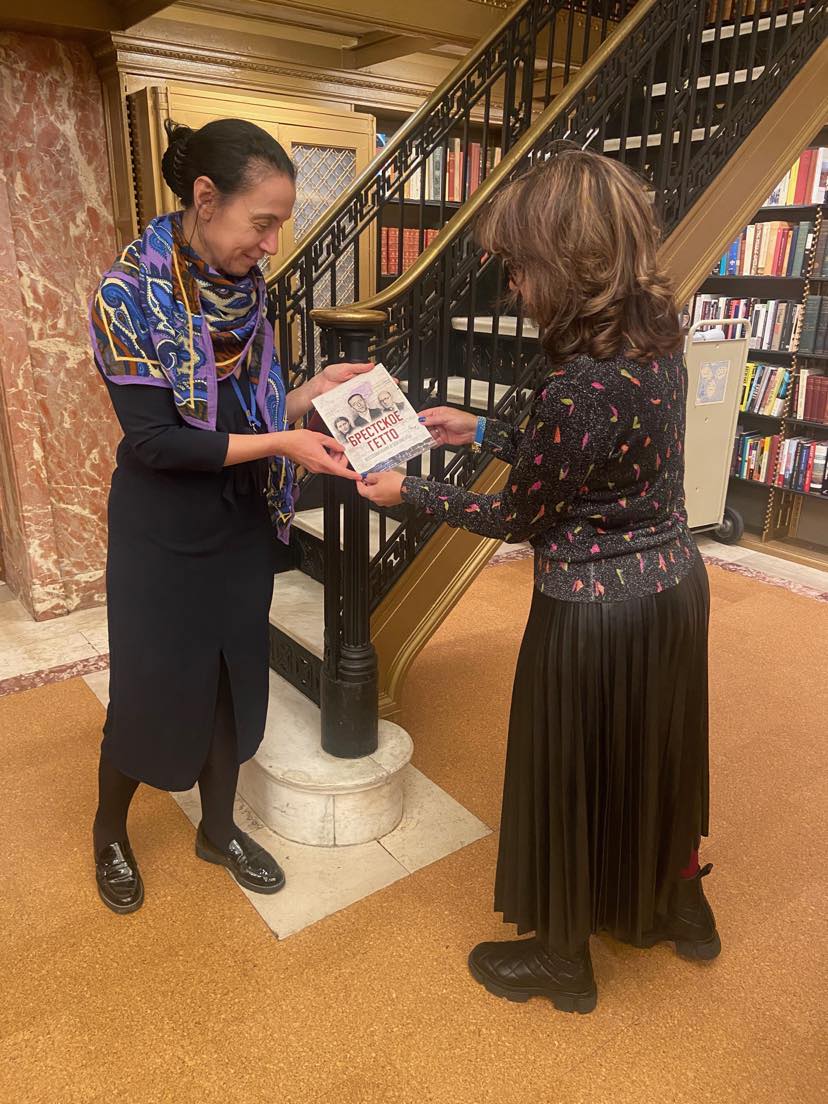
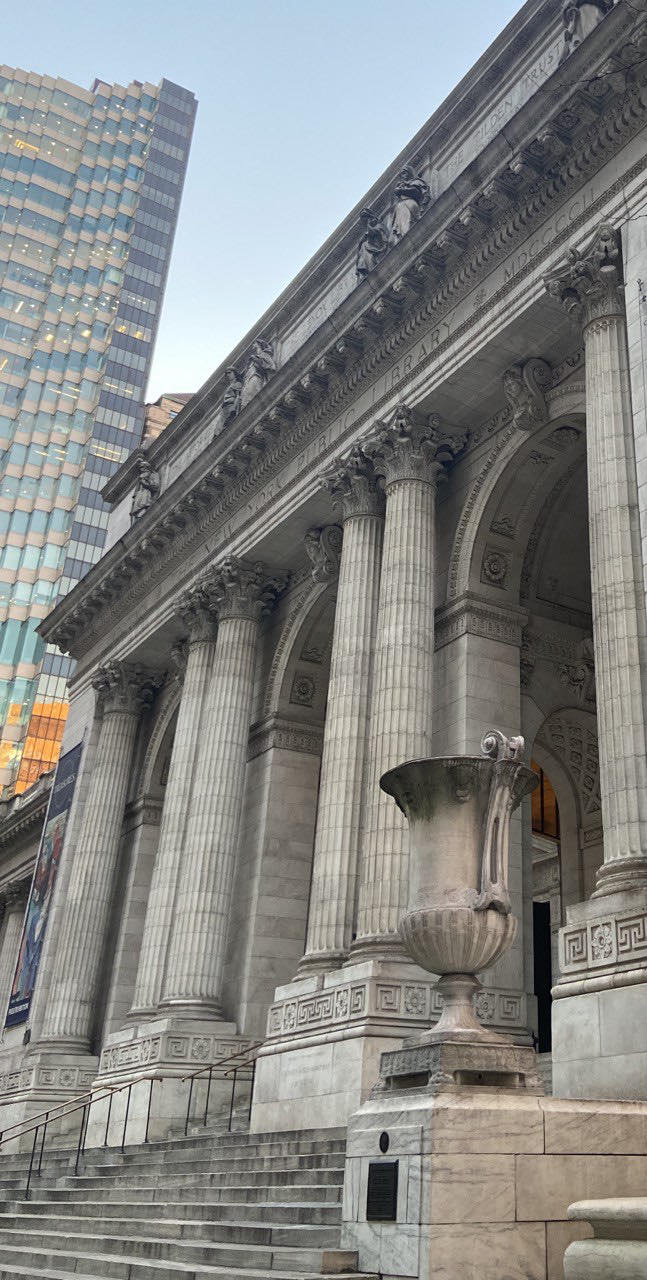
Книга Ивана Чайчица “Брестское гетто. Воспоминания и документы” зарегистрирована в New York Public Library (NYPL). 18 ноября 2023 г.

Публичная Библиотека Нью-Йорка является главной библиотекой города и интеллектуальным лицом Нью-Йорка.

Natalia LEVINE 

Once upon a time…

Once upon a time, “early on a grey winter morning, three rusty single-decker buses pulled out of Warsaw. Like relics of the Soviet era, they trailed black smoke and foul diesel fumes as they headed east. In the first bus rode an Honorary Judge of the High Court of England, two Queen’s Counsel and their junior barrister, along with court stenographers and several officials from London’s Central Criminal Court — better known as the Old Bailey. The second bus carried the jury — eight men and four women — along with six court officials and two officers from the Metropolitan Police’s Jury Protection Unit, to ensure there was no contact between the jurors and the British press, who occupied the third bus. They were travelling not just to a country none of them knew; they were journeying into the past, to stand at the scene of crimes committed 57 years before. The accused, who had been living in Britain for more than 50 years, unrecognised and unsuspected, remained in London. His trial had been adjourned for the unprecedented visit of a British jury abroad.” (The Ticket Collector from Belarus, p. 1)

The Old Bailey (Central Criminal Court). It hears criminal cases of a serious or sensitive nature that attract wide public interest. London.

Once upon a time. That is how English fairy tales usually begin. The events that took place in Brest in February 1999 were no fairy tale — but for many, they seemed like something out of fiction. Not least for the British citizens themselves. Their arrival in Belarus was connected to the trial of Andrei Sawoniuk. Sawoniuk was the first — and only — person to be convicted on British soil under the War Crimes Act. This unprecedented case attracted extensive coverage in both the foreign and domestic press. In 2022, Mike Anderson and Neil Hanson published a book titled The Ticket Collector from Belarus. Following the international success of the first edition, a second print run was released in London in January 2023. Who Sawoniuk was, what crimes he committed, and how he was identified half a century after the war’s end can be read on the excellent website domachevo.com and at rubon-belarus.com. From a legal standpoint, the Sawoniuk case was also unique because, for the first time in the history of British justice, a jury travelled abroad to view the scene of the crime. Sawoniuk was defended by one of the finest Queen’s Counsel of the day, William Clegg. He was confident he had chosen the right and reliable line of defence — arguing that the jury could not deliver a fair verdict, as they had not seen the scene of the crime, and that getting to Domachevo, at the ends of the earth, would never be granted even if he petitioned for it, since no British jury had ever gone abroad. However, the War Crimes Act, passed back in 1991 — which had made it possible to bring charges for crimes committed by foreigners against foreigners on foreign soil — gave the presiding judge, Sir Humphrey Potts, the authority to make a unilateral decision to send the jury to Belarus. William Clegg had not anticipated this turn of events at all. In essence, it was his own words that prompted the judge to order the organisation of this enormously complex visit. Beyond the bureaucratic hurdles required to observe every degree of legal propriety, certain measures had to be taken within the delegation itself. To ensure an impartial trial, not a single member of the jury was Jewish; and at the request of both the defence and the prosecution, all jurors were required to confirm that none of their relatives had been victims of the Holocaust.

At the preliminary hearing on 21 December 1998, Judge Potts granted the defence counsel’s application for the jury to visit Domachevo, in what is now Belarus. The defendant does not attend. The planned itinerary for the jury’s visit. (Photo from the book “The Ticket Collector from Belarus”)

The numerous representatives of the British press were strictly forbidden not only from speaking to the jurors, but from coming within 40 paces of them. To enforce this rule, the jurors were accompanied everywhere by court officers dressed in conspicuously bright yellow vests. Until the final verdict was delivered, British journalists were prohibited from publishing or distributing any information relating to the investigation. The journey was gruelling — both morally and physically — from the very moment they reached the border: “The snow-covered landscape through which they were travelling was flat and marshy, broken only by birch forests and small, impoverished villages. The hundred-mile journey took four hours, and was frequently slowed to a crawl by sudden snowdrifts whipped up by a biting east wind. As they approached the Belarusian border, where surly guards routinely held up travellers for hours or even days, they saw a queue stretching back for several kilometres. An enterprising vendor had set up a roadside stall selling hot soup to drivers waiting in line. Several equally enterprising prostitutes, wearing miniskirts and low-cut tops despite the bitter cold, could be seen climbing into the cabs of some of the lorries. Everyone understood that they were bribing the border guards to delay the document checks for as long as possible, giving the prostitutes time to service the bored drivers. Thanks to the local chief of police, acting as ‘facilitator’, the convoy swept past the queue and pulled straight to the front. The police chief distributed packets of Western cigarettes to the guards and customs officers. Documents had to be checked and stamped at every stage of the process. By the time the buses cleared the final hurdle, a dozen stamps had been added to the forms. After a delay of just 65 minutes, the convoy crossed the border. Despite this, one reporter still remarked cynically that it had taken them longer to cross the border than it had taken the German army in 1941.” (The Ticket Collector from Belarus, p. 2) And then came the accommodation — at the Intourist, the finest hotel in Brest. “The night before, the British delegation had stayed in a relatively luxurious four-star hotel in Warsaw, but on their first night in Belarus they had to make do with the considerably less comfortable Hotel Intourist in Brest-Litovsk. As The Times described it: ‘a hostel radiating all the charm of a tax office.’ Rumours had circulated that emergency renovations had been carried out before the English arrived, but no evidence of this was visible in the spartan, cold interior. Some rooms had broken windows; none of the washbasins had plugs*, and when guests ran out of toilet paper, they were required to bring the empty cardboard tube to the front desk before a new roll would be issued. (* The English are accustomed to washing by filling the basin and stopping the drain with a plug — a translator’s note.)

Hotel Intourist, Brest, 1990s. (Photo from the archive of I. Chaichits)

Scotland Yard’s War Crimes Unit detectives had already made several trips to Belarus to interview potential witnesses and had learned to bring their own food, portable heaters, and even tape to seal the gaps in the windows — but the jurors and court officials had not been warned of any of this, and had no choice but to endure the cold and other hardships. As in Soviet times, each floor of the hotel was presided over by an elderly woman seated on a chair opposite the clanking lift, monitoring the comings and goings of guests. The telephones in the rooms emitted strange clicks and crackles, suggesting they were bugged. Prostitutes patrolled the hotel corridors, knocked on bedroom doors, and solicited guests in the bar — which, it should be said, the British press had rapidly drunk dry. The hotel restaurant menu promised an impressive array of dishes, but every attempt to order anything was met with the waiter’s cry of “Nyet!” “Nyet!” “Nyet!” It turned out there was nothing available except boiled chicken.

The lobby of Hotel Intourist, 1990s. Brest. (Photo from the archive of Ivan Chaichits)

One of the Englishmen resigned himself to the inevitable and ordered the boiled chicken.
“I’ll have the same,” said his companion.
“Nyet!” — the waiter pointed to the man who had ordered first — “That is already his chicken.”
Fortunately, a curry house happened to be nearby (the India restaurant — translator’s note). When its owner was asked how he had ended up in such an unlikely place, he explained that he had bought the establishment sight unseen before leaving India, in the firm belief that he was acquiring a restaurant in a city called Brest located in France. He only discovered his mistake when the sale documents arrived in the post. Unable to get his money back, he had no choice but to come to Brest-Litovsk, and had been running one of Belarus’s very few Indian restaurants ever since. The food was good, and the prices so low that, to the considerable dismay of the British journalists, it was impossible to spend more than two or three pounds on dinner. When the bills arrived, the group’s senior official declared: “No, no, no! This simply won’t do.” He then asked the restaurant owner for a receipt book and wrote himself and his colleagues considerably more acceptable bills for expense-claim purposes.” (The Ticket Collector from Belarus, pp. 2–3)

The India restaurant, 1990s. (Now “Jules Verne.”) Photo from the archive of N. Alexandrov.

The British party returned to the India restaurant after coming back from Domachevo as well. This time their visit to the curry house was an act of gratitude to the local chief of police for his assistance in “clearing the obstacles.” The representatives of British justice ordered a couple of bottles of wine, which plunged their guest into deep gloom. Only when barrister Clegg asked whether the guest might prefer vodka did the police chief’s face light up with happiness. He drank the entire bottle with great relish — and then got behind the wheel of his car and drove the British contingent back to the hotel. But that came later. For now, they had a night at the Intourist ahead of them, before setting off the next day for the scene of Andrei Sawoniuk’s crimes — while Sawoniuk himself awaited the verdict under house arrest in his London flat. “Next morning at ten o’clock, after a near-inedible complimentary breakfast — the coffee had to be ordered separately at additional cost — the convoy set off again to cover the last rough and potholed stretch of the route. A police escort of rusty dark-blue Ladas led the way with flashing lights and wailing sirens, while the remaining traffic was halted by a large number of policemen who saluted the passing convoy.” (The Ticket Collector from Belarus, p. 4) The trip to Domachevo clearly made a powerful impression on the jury and had its effect. Judge Humphrey Potts, leading the delegation, did everything in his power to walk through the very places where Andrei Sawoniuk had left his bloody mark 57 years before. After all they had seen and heard, not a shadow of doubt remained in anyone’s mind about the guilt of “the butcher of Domachevo.” The British party stayed in Domachevo until nearly evening, then returned to Brest.

Sir Humphrey Potts (1931–2012). The presiding judge at the Sawoniuk trial.

The following morning, before departing for Warsaw, the jurors asked to be allowed to visit the GUM department store. It turned out to be a dim and poorly maintained space, though they did manage to find some charming and original souvenirs. In the electrical goods section, the jurors encountered — as they described it — “an antique toaster” standing in solitary splendour, and an equally solitary sales assistant who was watching a football match on a small television screen and making every effort not to catch the eye of any potential customer.

GUM department store, Brest, 1980s. The British, being devoted tea-drinkers, were not fortunate enough, by the 1990s, to find such an abundance of teapots on the shelves of Brest’s main shopping emporium.

Then the British got back on their buses and headed home.
The trial took place in March 1999. Throughout the proceedings, Sawoniuk — in his distinctive mixture of Cockney and Polish — insisted that he had never shot anyone and was innocent of all charges. The witness testimonies, the documents uncovered, and the visit to Domachevo made it possible for the British jury to deliver the only possible verdict: guilty. Sawoniuk was sentenced to two life terms. In 2000 he sought leave to appeal, but the House of Lords issued a categorical ruling: denied. Sawoniuk died of natural causes in Norwich Prison at the age of 84. Once upon a time…..

A Little Filter for the Brest Bazaar

The bazaar is a special place on the map of any city. The authorities never liked it, but were forced to tolerate its existence — because the bazaar was a means of survival for the population, especially in hard times. It was a place where you could buy everything that was absent from store shelves during the era of total shortages. You could sell there too. And barter. In short, the bazaar was always a gathering point for city dwellers of all classes and income levels. Today, bazaars have become markets — no longer a free congregation of people trading freely, but a place of organized commerce with regulated prices and a fixed range of goods. “The fly went to the bazaar and bought a samovar” is a thing of the distant past, though if you wander around the edges of a market, you can still stumble upon peddlers offering the most unexpected wares. But that now falls under the category of illegal trade.

Spontaneous street trading — from the ground, from a bucket, from a battered crate. Unsanctioned, but effective. Brest, 2014.

The meat stalls. Central Market. Brest, 2014.

In Brest, the bazaar was always a popular place to shop — even after it shifted location somewhat, acquired a roof, and changed its name, first to the Kolkhoz Market, and then simply to the Central Market. Though it had always been central. Under Poland, under the Soviets, during the occupation, and after liberation — the market remained in the heart of the city, only shifting its precise location slightly by the 1960s. I went to the Brest bazaar for the first time when I was a schoolgirl. We used to run there to buy sunflower seeds — semachki or semki, as they were called. And if we were lucky, we’d snag a rooster lollipop on a stick from the Romani women. The roosters were red and yellow, with no wrappers. Where and under what conditions they were cast and colored didn’t concern us in the slightest. The seeds lay in mounds. You had to go around all the vendors, taste from each, and only then buy. They were sold by the small or large faceted glass — heaped high. Gradually, the faceted glasses gave way to smooth, tapered ones, considerably reducing the volume — while the price rose from 10 kopecks to 30. In our family, only my grandfather went to the bazaar regularly. One of my worst childhood memories was his habit of buying live chickens or roosters there. I never saw him cut off their heads, or my grandmother pluck the slaughtered birds — but the dread and the thought “the poor birdie” still wash over me to this day. After the market moved indoors, I went there just twice, so I’m not in any position to assess the quality of produce, prices, or service. The one thing I know for certain is that such establishments, in the form they are organized and operate, are a purely Soviet invention — one that has survived and remains in demand only in post-Soviet territories.

Not the main entrance to the Central Market. Brest, 2014.

During the occupation and after liberation, the bazaar was located on the square where the bus station was built in 1963. City residents who remembered pre-war Brest called the market the Maly Bazar — the Small Bazaar. After the new bus terminal opened in May 2019, the square was once again freed up for the city authorities’ imagination to wander. How, who, and what was traded at the bazaar w czasach polskich (in Polish times) and during the occupation is a separate story. Photographs from the occupation years appear periodically at various auctions or among collectors, and some of them captured the Brest Bazaar.

The everyday life of occupation. A Polish resistance fighter hanged by the occupiers on the balcony of a building near the Small Bazaar, across from a fish shop. Some of the buildings burned during the bombing raids of July 1944; others were demolished during the construction of the bus terminal. (Drawing by V. Gubenko)

The Small Bazaar. Brest, summer 1941. (Photo from the archive of N. Levine)

The Small Bazaar. Brest, winter 1942. (Photo from the archive of N. Levine)

The Small Bazaar. Brest, winter 1942. (Photo from the archive of N. Levine)

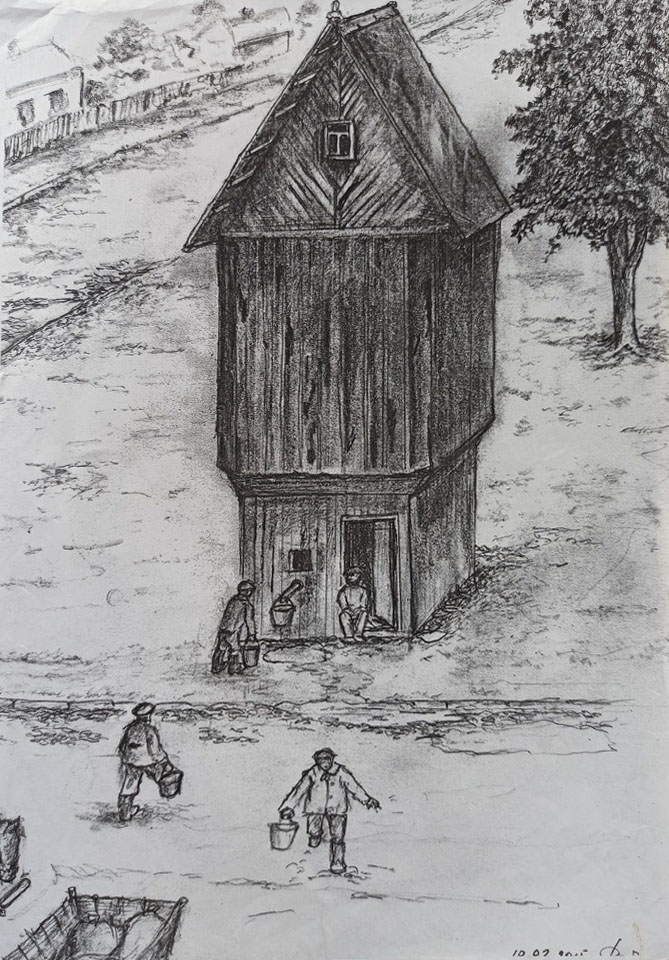
A sketch of daily bazaar life in 1944–1945 was captured in words and pencil by V. Gubenko. The market was right next to School No. 5, where he studied. Slipping off to the bazaar during a break between lessons was a perfectly ordinary thing to do. Some boys — especially those who had been through the school of survival during the German occupation — even managed to conduct a bit of gesheft (a little business deal) while they were at it. “I visited the bazaar every day — walking to school, during breaks, on my way home. It was impossible to pass by, since it was just a short distance from my School No. 5, where I studied until 1947. From early morning until evening the place was packed with people. The bazaar stretched across the area from Kuibyshev Street to Karbysev Street, along Mickiewicz Street. That is now the bus terminal square. The only surviving remnant of those years is the fish shop, and the bakery on the corner of Mickiewicz and Karbysev Streets — rebuilt beyond recognition. The water tower was built in the 1950s on the site of a large wooden tower with a water pump. Water was sold by an attendant. The customers never stopped coming.”

1945. The wooden water tower with a pump column, where water was sold for money to anyone who wanted it. It was demolished and replaced in the 1950s with a concrete tower that still stands today on the square of the former bus terminal. (Drawing by V. Gubenko)

The former bazaar square, the former bus terminal square, with the water tower. No, it’s not Pisa. Brest, 2018.

In the far end of the market, behind the fish shop, stood unhitched peasant carts. On them were laid out potatoes, beets, carrots, cabbage, apples, and neat bundles of firewood. Across the square stood several rows of wooden tables, where foods I had long forgotten during the hungry evacuation were on sale: milk, sour cream, butter, cottage cheese, a dry, rock-hard but very tasty pressed curd cheese, chickens and ducks — slaughtered and live — pork, mutton, salted lard sprinkled with caraway seeds, flour, eggs, honey — linden and flower honey, liquid and solid, in the comb. People sold hot pyzy (dumplings), cotton candy, and hrushanky-gnilki (a local pear variety). On spread-out oilcloths they traded all manner of hardware for the home, tools, and German illustrated magazines.

Panorama of the school courtyard and the city market. Kuibyshev Street, autumn 1944. (Drawing by V. Gubenko)

   Nearly a third of the bazaar was occupied by the flea market — the tolkuchka. In the 1950s it was relocated to the wasteland left by a city block that had burned in 1944. The area was enclosed by a tall fence. The tolkuchka served city residents as the dry-goods department of the bazaar’s supermarket. Before the relocation, buyers and sellers of all manner of things crowded the intersection of Mickiewicz and Kuibyshev Streets, often blocking it entirely. You could arrive at the tolkuchka with nothing but the shirt on your back and leave dressed head to toe — in new or second-hand clothes, depending entirely on the thickness of the wad of bills in the buyer’s hand. The shelves of the city’s one department store and the handful of dry-goods shops could not compete with the tolkuchka, either in price or in variety. The whole thing kept shifting and churning like a living illustration of Brownian motion, overflowing so that it spilled into adjacent streets and courtyards. Gambling flourished: three-card games, shell games with thimbles on a piece of plywood laid on the ground — luring people in with easy winnings. There was even a portable roulette wheel in a fiber suitcase, and many other games designed to tempt those looking for easy money. A sort of miniature Las Vegas. There were primitive ring-toss games with enticing prizes. Many people played. Nobody won. Pickpockets, swindlers, and thieves circulated through the crowd. Police patrols paid no attention to the gamblers. Their main task was catching moonshine sellers. That trade was booming, but catching the bootleggers was extremely difficult — you could only catch them in the act of selling, and such transactions took place beyond the bazaar’s perimeter. Confiscating the goods was sometimes accompanied by gunfire, as the sellers — mostly village women — had no desire to part with their merchandise. The crackdown on moonshine traders was prompted by a sharp increase in the number of drunk soldiers on the city streets, and the resulting rise in hooliganism and brawling — sometimes very brutal — between servicemen of different branches, especially with the sailors who had appeared in Brest seemingly from nowhere, and who held the army in great contempt.

This is how the Small Bazaar looked in the early 1950s. The trading rows were still standing — almost always shuttered — framing the corner of Kuibyshev Street and School Lane. The city’s flea market (tolkuchka) had been moved to the wasteland left by the burned-out city block. (Drawing by V. Gubenko)

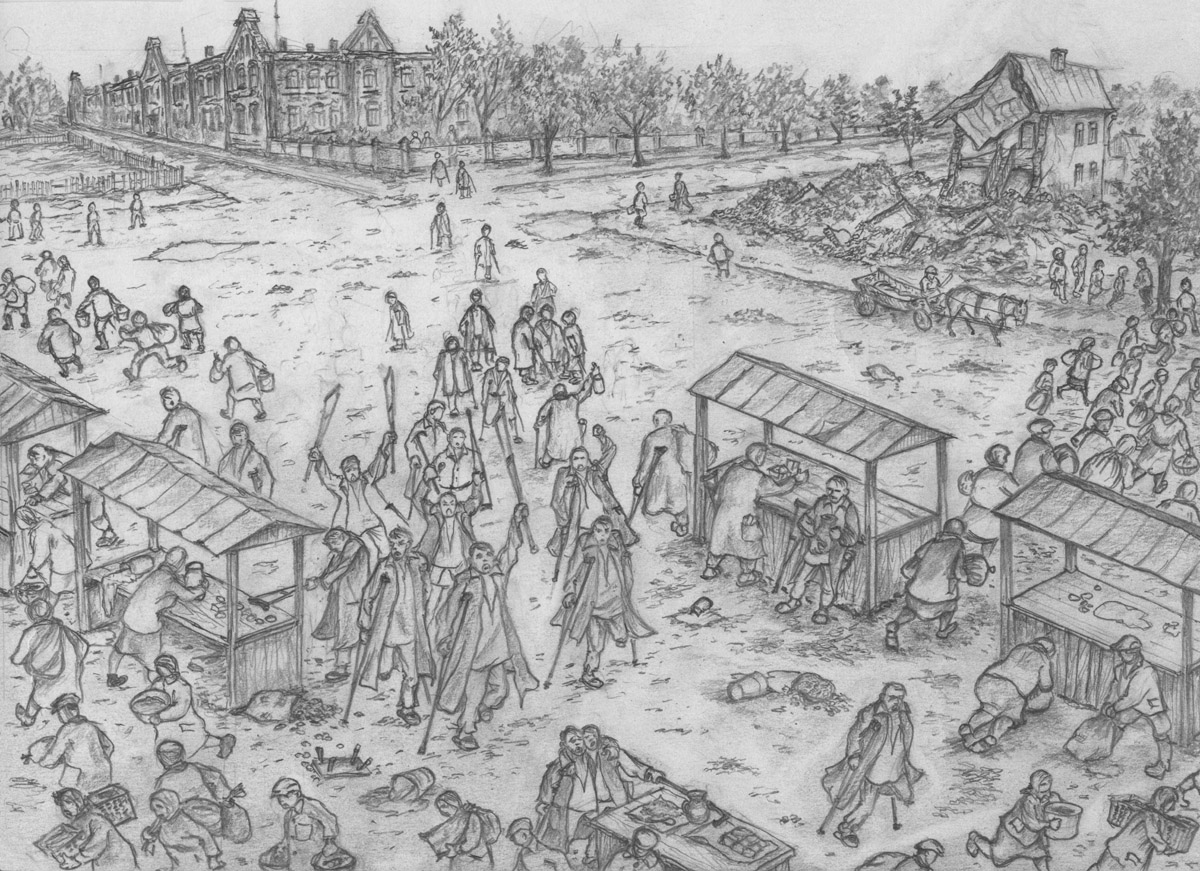
A certain threat to the bazaar world came, strange as it may seem, from the wounded soldiers at the military hospital located right next to the market. The hospital was housed in the former Russian gymnasium named after Traugutt. We visited the hospital wards several times with school concert performances. There were many seriously wounded men — many with amputated limbs. Convalescing soldiers crowded the pavements in front of the hospital on fine days, or sat on the brick fence. I witnessed, on one occasion, a large crowd of wounded men — brandishing crutches and walking sticks — fall upon the market stalls, scattering sellers and buyers, smashing everything left and right. People fled in panic. Whatever was left behind became the patients’ spoils — mostly food: butter, lard, eggs, milk, and the like. The military patrols and the police fled along with everyone else. No one dared enter into open conflict with the rampaging invalids. After the raid, the soldiers — loaded down with provisions — returned to the hospital. Some sat down beneath the fence to divide the spoils and rest in the shade of the chestnut trees, while the market gradually calmed and filled again with buyers and sellers. Before the hospital was relocated, there were several such raids.

A raid on the market by wounded soldiers undergoing treatment at the nearby military hospital. (Drawing by V. Gubenko)

In short, the bazaar was a noisy, fascinating, utterly remarkable and unfamiliar world of commerce, which I observed every day. But that was not the main thing. What struck me was the abundance of produce at the market. After the hungry years of evacuation, it seemed like a fantasy. In the newspapers I had read that the occupiers had plundered the population, that people were not merely suffering but dying of famine, that all provisions had been sent to Germany. I kept asking myself: where did all this abundance come from? The local boys were well-fed and well-dressed, and from our gaunt appearance and worn-out clothes they immediately identified us as Easterners. The peasants at the market who brought their produce were neither ragged nor thin. Their horses, with quality leather harnesses, looked healthy and strong; the carts were solid and reliable. And yet for three years they had been obliged to hand over a portion of their harvest to the occupiers as compulsory military quotas. Their bread and butter had also fed the partisans and the police — all the armed men of every stripe, who simply confiscated food, livestock, and horses from the peasants without payment. And often took their lives along with it. So what explained it? There are probably many factors. But the main one is that peasant farming was still individual. After the annexation of Western Belarus to the USSR, Soviet authorities had partially begun collectivization — but the process was interrupted by the war. In the first post-war years, Soviet power did not yet feel strong enough to forcibly drive peasants into collective farms. But by 1949, the hand of the state had grown firm enough that within two years, the mass forced collectivization of peasant households across Western Belarus was carried out. But that was still nearly five years away — which is why abundance reigned at the Brest market, while the post-war policy of forced grain requisitions applied to the already-existing collective and state farms condemned the rural population of eastern regions to mass famine in 1946–1947.” (From the memoirs of V. Gubenko)

The ruins after the July 1944 bombing raids. The Brest Central Market now stands on this site, running from Kuibyshev Street with its façade facing Pushkin Street. (Drawing by V. Gubenko)

Rebuilt many times over, the Brest bazaar eventually took on the form that newer generations of Brest residents have grown accustomed to. Some still call it the kolkhozka — though the word “kolkhoz” disappeared from the sign above the entrance long ago, just as the collective farmers themselves disappeared from behind the counters. It is now the domain of farmers, cooperatives, wholesalers, hired vendors — and, of course, seasonal mushroom and berry pickers. The bazaar has definitively become a market. Everything is orderly and regulated, prices clearly displayed. Coming across someone selling tomatoes they’ve grown themselves, or cucumbers — crisp and sweet, covered in tiny bumps, picked just that morning with the leaves still on and the little yellow flowers not yet wilted — has become a true rarity. Most of the stalls, with their identical assortment of vegetables and fruit, are staffed by city-looking women somewhere between 20 and 60, selling goods that are delivered centrally and distributed among the vendors. Buy and go. But islands of the real bazaar survive. Many people go exclusively to “their” vendors, with whom they’ve built years of trust and mutual benefit. Fresh cottage cheese from tidy Valentina; veal — reliably good — from dependable Gena; the sausage with saltison only from Raisa; Baba Vera says don’t take the apricots from her today — they’re sour, she’ll have sweet ones in two days. And then there are the chance encounters — inevitable at every visit, regardless of the day of the week or time of year — with acquaintances: you might exchange a few words, or you might get drawn in for an hour, or you might walk past pretending not to notice — but the fact of the encounter remains, one way or the other. So there’s no getting away from the bazaar. The bazaar is eternal and indispensable. You just have to know how to filter it.

A residential building across from the former bus terminal. Brest, 2018.

I’ve been waiting for so long

I am eager to talk about this man. Firstly, because he will turn 98 this year. Secondly, he uses an umbrella only when it rains, but not to lean on it while walking, and thirdly, he will give odds to many advanced Internet users and does not put on glasses, when he looks up at the phone. And he is also a bewitching interlocutor, a fascinating storyteller who has retained not only a bright mind, memory, but also a subtle sense of humor. Sure, an acquaintance with such a person can be appreciated as a gift of fate.

His name is Kurt Marx. He was born in August 1925 in Cologne. Kurt’s parents, Irma and Siegmund Marx, were assimilated Jews. In their understanding they belonged to the people of Germany, sincerely believing that they were an integral part of the German culture.

Kurt Marx on a walk with his father Siegmund. Cologne, Germany, 1926

After Hitler came to power, they, like many in Germany, did not believe that this madman would hold long in power. Even when their son Kurt was ordered to quit the gymnasium (secondary school), that he attended, and go to a Jewish school, because there was no place for a Jew among Aryan children, they still harbored the illusion that this nightmare would end soon. Yet it didn’t end. It continued with pogroms in 1938. The Jewish Yavne school, where Kurt studied, was set on fire. Classes were stopped. The question of salvation arose. The parents applied to leave for the United States. But the situation deteriorated quite soon so significantly that the parents urgently decided to save their only son first. Meantime, a secret company was organized in Germany to carry Jewish children to England, the so-called Kindertransport. England at that time was the only country that agreed to accept Jewish refugees. Erich Klibanski, the director of the Jewish school, that Kurt attended, gathered the first group of children aged 5 to 17 to be sent to England. He planned to save all his students, but only 130 managed to emigrate. Among them was Kurt Marx.

The document of identity, issued to Kurt Marx, to come to England as part of the Kindertransport rescue action. 1939

In January 1939, Irma and Siegmund Marx farewelled their son, whispering to each other at the station: “See you in America!”. At this moment the 13-year-old boy did not know yet that he saw his parents for the last time. What befell the children to go through, being cut off from home, from their families, from everything that makes a happy childhood, is another story. Nevertheless, they survived, avoiding the suffering of the Holocaust and that matters. Until July 1942, Kurt received rare letters from his parents, which they sent to England through the Red Cross. The letters were limited to 25 words, including the address. Kurt knew from his parents’ letters that they were going to be moved from Cologne somewhere to the east, where they would be provided with housing and work, and that they had already bought train tickets, paying 50 Marx for each. In the last letter, the parents greeted Kurt on his birthday in advance, wishing him happiness and health. Then the letters stopped.

The last letter from the parents dated July 19, 1942. Kurt received it through the Red Cross at the end of August 1942. “Our dear, before our departure, we send you our most cordial wishes. Be healthy. Think about us. To you, beloved son, our hearty greetings on your birthday. Be diligent and bring joy to those around you. Your dad and mom.”

For many years, Kurt tried to find any information about what happened to his parents. All the searches were in vain. And only in 1995, thanks to the evangelical pastor Dieter Korbach and the lists he published, one could know about the fate of 1164 Jewish children, women and men deported from Cologne. The pastor has been thoroughly researching the history of the Jewish community of Cologne for decades, to learn the truth about the doom and disappearance of the Jews from that city. At the age of 70, Kurt Marx learned that when he was reading the last letter from his parents, they were no longer alive. The director of the school, Erich Klibanski, who had rescued his students, was also not alive. His wife, his children, his students who were late to emigrate, all of them, like thousands of other German and Austrian Jews, were killed in Maly Trostenets, Belarus. Only in 2011, Kurt had a chance to come to the place of the death of his parents. In those days there was no memorial there, there were no tourists coming, there was no one. Just overwhelming silence, emptiness and a sense of relief. “I’ve been waiting for so long. At last, I have found you, I’m here, by your side. Do you hear my tears? Do you see my thoughts? Do you feel my prayer?”

Kurt Marx at the place of his parents’ death. Maly Trostenets, 2017.

Later, Kurt came to the place more than once. In 2017, he was invited to Minsk to the opening of the traveling exhibition “Maly Trostenets Death Camp. History and Memory”, which was created thanks to the fruitful cooperation of the Historical Workshop named after Leonid Levin and the International Educational Center in Dortmund. When I talked with Kurt, he easily switched from English to German, which remained for him the language of childhood, the language he spoke with his parents, the language that his late wife, Ingrid, who had survived Auschwitz, also spoke. But more than a dozen years had to pass before Kurt was able to overcome himself and speak the language of those who deprived him of his parents and brought so much grief. Kurt also expressed a very interesting thought. He said, hate is also a faith. It does not require justification or confirmation. I believe because I believe. And someone chooses hate as faith. Jews often became victims namely of the hate as faith. If you are a Jew, then a priori you are hated even by those who have never seen Jews. It is dreadful that such a blind hate extends not only to the Jews. Who is the next? Who will be allowed to be slaughtered by the demons of intolerance, aggression and evil? Think! Don’t let it be! The

Holocaust seriously wounded Kurt, but also gave him the strength to live and show us, living today, that there is nothing more valuable than human life, creation, love and peace.

Kurt Marx at the traveling exhibition “Making History Together”, dedicated to the history of the Belarusian Jewish community. London, January 2023

In Memory of Vladimir Gubenko

Желание знать и помнить помогает не только сохранить нашу историю, но и учит смотреть на события современной действительности, оставаясь свободными в выборе и оценках. Поскольку память является как мощным созидающим стимулом, так и орудием разрушения, ею уже давно научились ловко манипулировать. Манипуляции бывают наглыми и агрессивными, бывают вполне себе пристойно упакованными. Но цель у них одна: заставить нас помнить только то, что положено помнить, и только в том виде, который соответствует установленным нормам. Противостоять этому очень тяжело, так как большинство уже не в одном поколении заражено или вирусом беспамятства, или бактерией равнодушия.
В таких условиях энтузиазм тех, кто продолжает “копаться” в истории, старается сохранить язык, богатую культуру и вековые традиции, издает книги, печатает статьи и фотографии, пытается пробудить интерес любыми доступными способами у читателей, слушателей и даже зрителей, достоин преклонения.
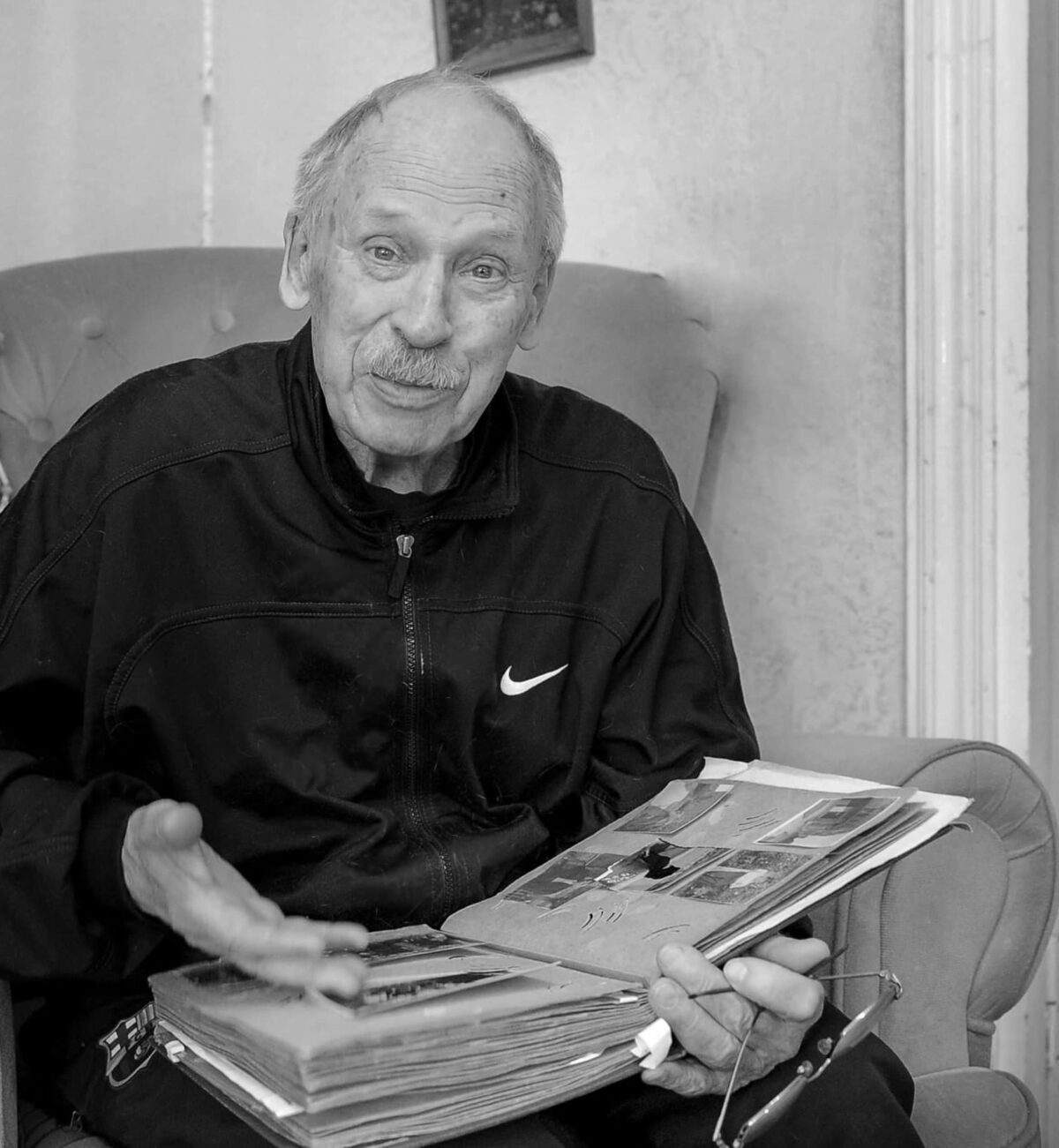
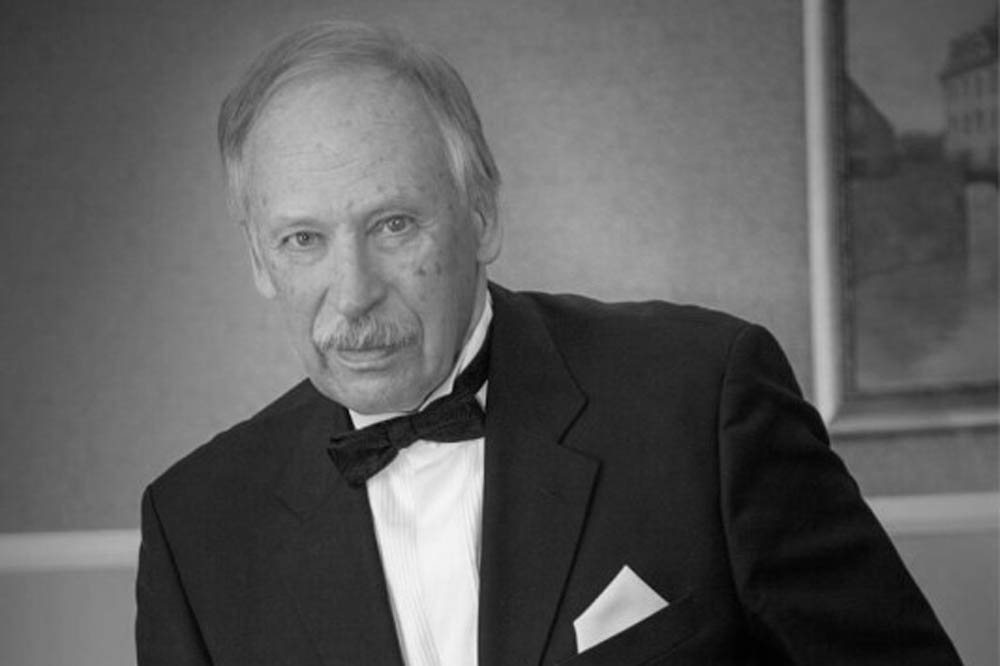
К сожалению ваши ряды заметно поредели. Кто-то уже в эти ряды не вернется никогда. 31 июля 2022 года ушел из жизни В.Н.Губенко. Своими рисунками он смог показать город, каким он не сохранился даже на фотографиях. В своих воспоминаниях он рассказал о том, о чем не написано в учебниках, дополнив историю города живительными мазками. Есть понятие безусловная любовь. Вот именно с такой любовью В.Н. Губенко относился к Бресту. Полюбив его в детстве раз и навсегда, он оставался верным и преданным ему до конца своих дней. Он любил его даже тогда, когда на его глазах исчезали улицы, кварталы, деревья и сады, переживал за раны, которые наносились городу, принимал новый облик города с философским пониманием неизбежности изменений, но в своей памяти бережно хранил то, о чем успел с нами поделиться. Чтобы помнили. Чтобы ценили. Чтобы хранили.
Безусловная любовь не требует обратной связи. Владимир Губенко никогда не стремился к публичности и каким-либо наградам. Выставки его рисунков, публикации воспоминаний и даже издание книги были инициативой людей, которые сумели разглядеть их ценность для дополнения истории города, за что им всем огромное спасибо. Что касается идеи установки памятной доски или инициативы назвать улицу, то я могу со стопроцентной уверенностью сказать, что сам Владимир Губенко был бы против такого “увековечения” памяти о нем. Никакие доски, никакие названия улиц, никакие памятники не смогут сохранить память, если этой памяти не будет в наших сердцах. Память о Владимире Губенко останется для города в его книге, в фильмах, которые сделали его ученики, в его опубликованных воспоминаниях и в воспоминаниях тех, кто был с ним знаком, кто его ценил и уважал. Спасибо всем, кто пришел с ним проститься, кто прислал искренние соболезнования, кто поддержал словами и помог пережить острую боль утраты.
Natalia LEVINE 

A Legend Has Passed Away. Vladimir Gubenko

Не стало легенды. Хранитель городской истории и один из самых преданных Бресту жителей – на 91 году ушёл из жизни Владимир Губенко. Художник, журналист, горожанин с большой буквы. Вклад Владимира Николаевича в культуру города над Бугом огромный: от ярких воспоминаний из истории города до графического воплощения прошлого на бумаге. Всем этим Владимир Губенко делился с брестчанами. В их памяти Владимир Николаевич останется навсегда.

90th Anniversary of Vladimir Nikolaevich Gubenko

90 лет. Какая красивая дата. Без малого один век, который начался для тебя войной и ею заканчивается. Девиз “Хочу все знать!” сменился на вопрос “А оно мне надо?” Фон жизни и так с годами тускнеет, но кто мог предположить, что его краски станут настолько мрачными. Но ты не отчаивайся. Я уверена, что ещё на твоем десятом десятке мир сможет восстановить цвета справедливости, и мы обязательно увидимся. Внуки приедут, правнуков возьмем. И мы, как всегда, будем завороженно слушать твои рассказы, перемежающиеся цитатами из любимых книг, стихами, мудрыми мыслями тобой почитаемых личностей, приличными шутками и ироничными комментариями. Ни черта не видишь и ноги не держат? А что ты хотел ? В 90 лет размахивать бадминтонной ракеткой и выбивать десятку из воздушки? Гулять часами одному по улицам любимого города? Улицам, которые знают твой шаг больше 80 лет? Или по окрестным лугам и лесам? Свою библиотеку ты знаешь всю почти наизусть. В газетах читать и в телевизоре смотреть нечего, да к тому же очень вредно. Поэтому слушай. Слушай приятную музыку и интеллигентные радиопередачи. Они еще живы. Гуляй только с тросточкой и обязательно с кем-нибудь под ручку. Не нервничай по пустякам, потому что ты уже в статусе мудрого старика. Ты столько раз по жизни сталкивался с несправедливостью, хамством, бескультурьем, некомпетентностью, подлостью, равнодушием, но ведь справиться с ними тебе помогали твой ум, твои знания, твоя верность, твой кодекс чести, твое чувство юмора и, конечно, твоя семья, твои друзья. Печально, что друзья все ушли, но они остаются в твоей памяти. Все остальное живо и всегда с тобой. Поэтому береги силы и здоровье. Сегодня мы поднимем бокалы за тебя на расстоянии в тысячи километров, но с верой и надеждой на скорую встречу.

Владимир Николаевич Губенко

Natalia LEVINE 

The Guardian of a City That No Longer Exists. For the 90th Anniversary of Vladimir Nikolaevich Gubenko

Сколько бы человеку ни отпустила судьба, это обидно мало. Но разная плотность жизни одним дает удовлетвориться кругом близким, а кому-то – вместить историю.

Девяносто лет Владимира Губенко – его крест. И большая удача Бреста. Не каждому городу так счастливится. Человек-оркестр, Губенко прожил и концентрирует в памяти многое, чем жили несколько поколений. Концентрирует и выдает на-гора.

Без рисунков Владимира Николаевича история Бреста не была бы наглядна. Без его устных рассказов «Утраченное время» лишилось бы сотен деталей, оттенков, уточнений.

Он уникально эрудирован. Он дотошен. Умеет обернуть факт в одеяло исторической канвы. Но самое его фантастическое свойство – память. Уникальная, какая не дается просто так. На его без десяти лет век выпало огромное число событий, от сугубо частных до масштабных, определявших историю страны.

Долгую жизнь можно прожить по-разному. Губенко живет, чтобы передать.

Он был свидетелем предвоенных лет – смотрел на переформатируемый, еще польский по духу Брест глазами пытливого мальчишки, приехавшего с родителями из советского Конотопа. С мамой и братом чудом успел бежать из города 22 июня 1941 года и в полной мере хлебнул лиха эвакуации. После Победы 13-летним вернулся в Брест, чтобы уже навсегда связать свою жизнь с этим удивительным городом.

Здесь он окончил третью школу – в те годы мальчиковую, связанную дружбой и симпатиями со второй женской, бывшей «Мацеж школьна» на Ленина напротив сквера Иконникова.

Здесь в 55-м окончил физмат Брестского пединститута (удивительный народ эти физики!)

Служил срочную под Берлином во время польских событий 1956 года – 4-я армия ушла, как на фронт, на позиции в сторону Познани и Вроцлава. Обошлось без военного конфликта: министром обороны Польши после войны был ловко поставлен Константин Рокоссовский.

После демобилизации был контролером на таможне – познал и эту кухню. Семь лет преподавал физику и был завучем производственного обучения в девятой школе, а с пуском в Бресте главного промышленного гиганта перешел на БЭМЗ и отдал ему четверть века – инженером по спектральному анализу и начальником металлофизической лаборатории.

И наконец с полураспадом завода в лихие девяностые – причудливо тасуется колода – на седьмом десятке стал тренером по бадминтону в спортивной школе и задержался в спорте на целых десять лет.

У нас принято чтить людей, всю жизнь проработавших на одном месте, это зовется верностью предприятию. Но у каждого своя судьба, и честно себя проявить в разных ипостасях, везде оставивши добрую память, дорогого стоит. У Губенко другая миссия – верность городу, он впитал его душу, и благодаря этому мы много чего знаем о Бресте с самых разных сторона.

Выйдя на пенсию, Владимир Николаевич ступил на новую стезю: расчехлил обретенные в юности графические умения и родил свой жанр – историю в рисунках. Сотни изображений – гимн и памятник Бресту 40-х, 50-х, 60-х. Памятник городу, которого нет.

Я не знаю всех критериев, которыми руководствуются при выдвижении на звание Почетного гражданина города. Полагаю, это штучные люди, оставляющие после себя шлейф достойных дел, чьи имена на слуху и вызывают уважение у большого числа простых горожан. И, наверное, у каждого брестчанина собственный ранжир и список почетных, кому такой статус не присвоен. Владимир Губенко, Татьяна Ходцева, Евгения Хмелевская, Павел Король, Савва Березовый, Владимир Власов, Аркадий Бляхер, Василий Курилов, Шлема Вайнштейн еще десяток имен – мой пантеон. Не претендующий на абсолют – личный, имею право.

Вечерний Брест. Василий Сарычев.

Teenagers are saving the heritage of Jewish Belarus

В пятницу 6 августа 2021 года в британском еженедельнике the Jewish Chronicle в разделе «Образование» вышла статья Джины Бенджамин под названием “Подростки спасают наследие еврейской Беларуси». События последнего года сделали Беларусь печально знаменитой на весь мир. Это с одной стороны, а с другой стороны они же пробудили интерес узнать о Беларуси, её истории и культуре больше. Британская благотворительная организация The Together Plan уже много лет активно поддерживает оставшиеся ещё на территории Беларуси малочисленные еврейские общины. Много внимания организация уделяет просветительской деятельности, целью которой является не только сохранить память о многовековой истории евреев, проживавших когда-то в Беларуси и полностью исчезнувших в Холокосте, но и передать эту эстафету памяти следующим поколениям. В прошлом году стартовал совместный белоруско-британский проект «Делаем историю вместе». Об этом проекте, в котором участвуют подростки из двух стран, о широком спектре тем, которые предлагаются для изучения и обсуждения, о том, какой интерес проявляют дети к истории рассказывают в статье координатор проекта Лео Левин и директор The together Plan Дэбра Бруннер.